Loading
In-depth guides, solar battery analyses, electrical safety tips, and smart automation insights from YTECH.
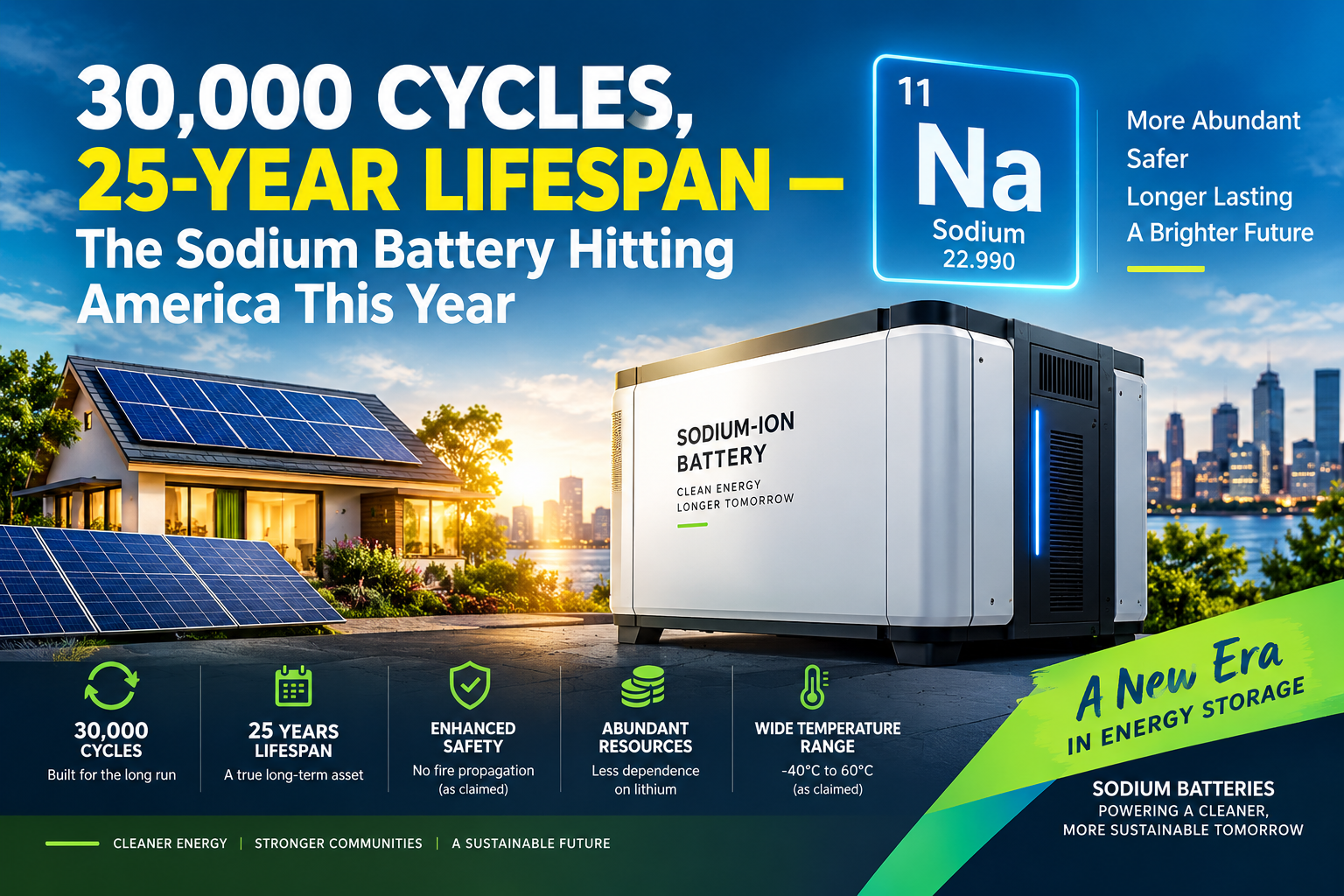
30,000 Cycles, 25-Year Lifespan — The Sodium Battery Hitting America This Year Sodium-ion batteries are moving from the laboratory into real-world energy storage — and one American battery company is making an aggressive promise: up to 30,000 cycles and a 25-year asset life.
Actionable engineering guidance for homeowners, building developers, and facility managers.
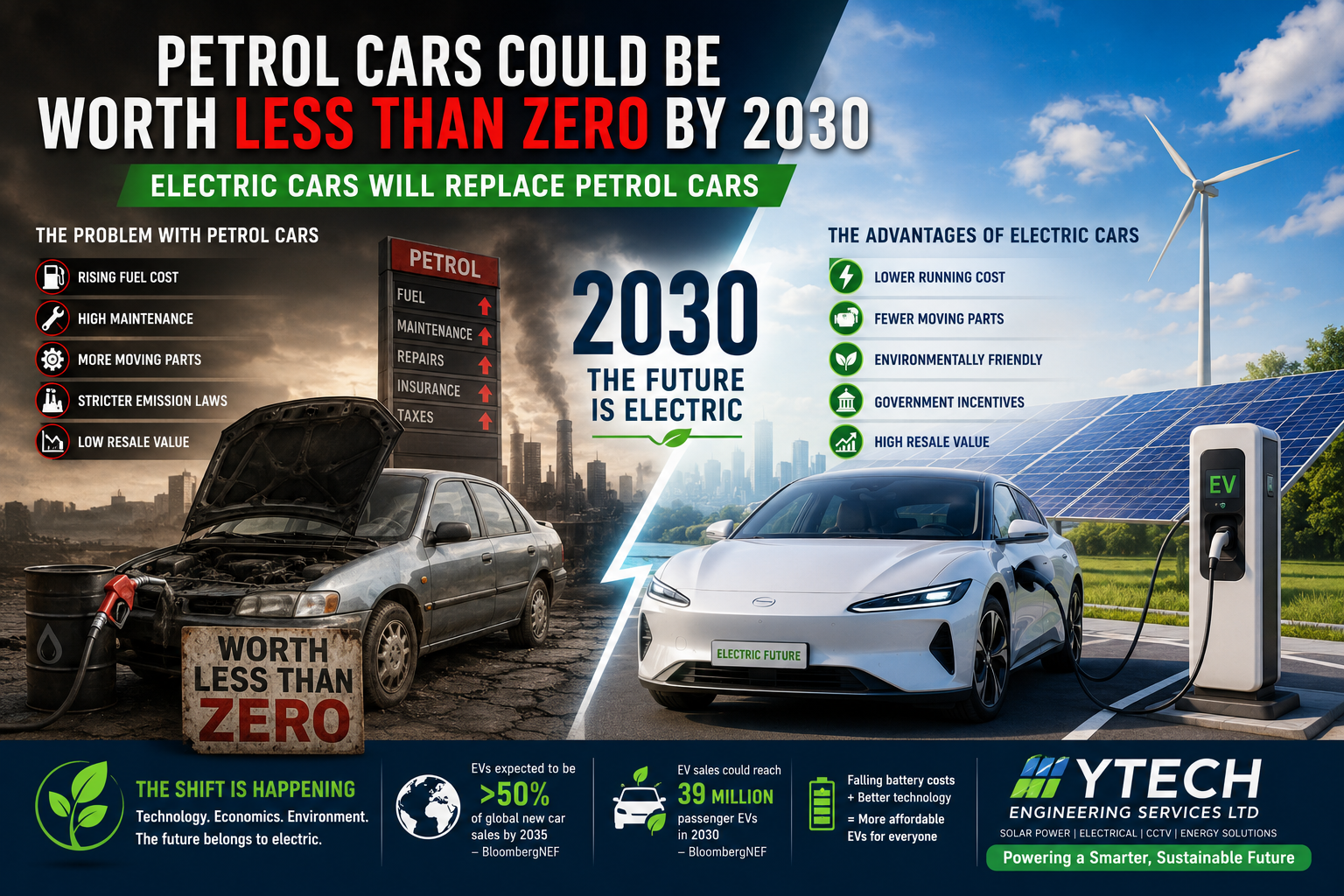
By 2030, the biggest threat to petrol-powered cars may not be that they suddenly stop working—it may be that fewer people want to buy them. Falling battery costs, improving electric vehicle technology, cheaper charging, stricter emissions policies and growing EV adoption could dramatically change the economics of owning a petrol car. Here is why your petrol car could become increasingly difficult and expensive to own, maintain and resell.
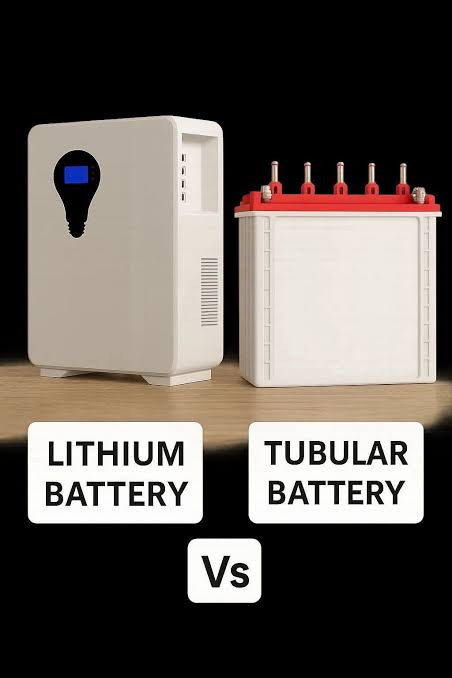
Lithium and tubular batteries are two popular energy-storage options for solar and inverter systems in Nigeria. While tubular batteries have a lower initial purchase cost, lithium iron phosphate (LiFePO4) batteries generally offer higher usable capacity, faster charging, longer cycle life, lower maintenance and better suitability for frequent daily cycling. This comprehensive comparison explains the differences between lithium and tubular batteries, including cost, lifespan, efficiency, depth of discharge, maintenance, safety and performance, helping homeowners and businesses choose the right battery for their solar power system.